Travel opens the door to new places, cultures and experiences. However, travelling with a disability can require additional planning. Questions can arise at every stage: Is the booking website accessible? Will assistance be available? Does the hotel room provide enough transfer space? Are captions, audio descriptions or quiet spaces available?
Accessible tourism is about removing these uncertainties and helping travellers make informed decisions. This guide explains how to research, plan and prepare for an accessible journey, from choosing a destination to returning home.
What is accessible tourism?
Accessible tourism means ensuring that travel information, booking systems, transportation, accommodation, attractions and visitor services can be used by people with different disabilities and access requirements.
Accessible tourism includes accessible websites, clear booking information, accessible transportation, step-free accommodation, communication support, mobility-equipment assistance, accessible attractions and emergency planning. Accessibility should cover the complete journey, not only one hotel room or airport service.
The World Health Organization estimates that approximately 1.3 billion people, around 16% of the global population, experience significant disability. Accessibility also benefits older travellers, people with temporary injuries, pregnant travellers, families using pushchairs and travellers carrying heavy luggage.
Accessible tourism is a right
Article 30 of the United Nations Convention on the Rights of Persons with Disabilities recognises the right of persons with disabilities to participate equally in cultural life, recreation, leisure and sport. Accessible tourism is connected to equal participation, freedom of movement, choice and dignity.
1. Identify your access requirements
Accessibility requirements are different for every traveller. Before choosing a destination, prepare a personal access-requirement list.
Mobility requirements
- Step-free routes, ramps or lifts
- Wheelchair-accessible transportation and parking
- Transfer assistance and sufficient turning space
- Wide doorways and space beside the bed
- Roll-in shower, grab rails and shower chair
- Mobility-equipment charging and rest areas
Visual access requirements
- Screen-reader-accessible websites
- Large-print or Braille information
- Tactile maps and audio descriptions
- High-contrast signs and guide-dog access
- Assistance navigating unfamiliar areas
Hearing access requirements
- Captions, transcripts or sign-language interpretation
- Hearing loops and text-based support
- Visual alarms and boarding announcements
- Written emergency information
Cognitive, sensory and non-visible disability requirements
- Clear instructions and predictable processes
- Quiet waiting areas and sensory guides
- Additional time and reduced waiting
- Medication storage and easy toilet access
- Rest breaks and flexible boarding
2. Research the destination
Do not depend only on descriptions such as “accessible,” “disability friendly” or “suitable for everyone.” These expressions do not explain which features are available.
Research airport or railway-station accessibility, local transportation, pavement and terrain, accessible toilets, medical facilities, mobility-equipment repair services, restaurants and tourist attractions.
Check when accessibility information was published or last reviewed. Recent reviews can provide useful context, but confirm essential requirements directly before booking.
Ask measurable questions
- Is there step-free access from the entrance to the room?
- What is the clear width of the bedroom and bathroom doors?
- Is there space beside the bed for wheelchair transfer?
- What is the height of the bed?
- Does the shower have a step?
- Where are the grab rails positioned?
- What are the lift dimensions?
3. Check the booking website
A travel website should allow disabled travellers to research and complete a booking independently. Check whether you can navigate with a keyboard, use a screen reader, enlarge text, operate the date picker, select accessibility filters, complete payment, understand errors and request assistance.
An “accessible room” filter is not enough unless it explains entrance access, door width, bed height, transfer space, bathroom configuration, alarm systems, lift access and accessible parking. Save copies of important accessibility details shown during booking.
4. Confirm transportation accessibility
Transportation may include air travel, rail, buses, taxis, rental vehicles, ferries and local public transport. Accessibility varies by country, station and vehicle.
- Is boarding assistance available?
- How early should assistance be requested?
- Can the wheelchair remain occupied during travel?
- How will mobility equipment be stored?
- Are announcements visual and audible?
- Is an accessible toilet available?
- What happens if a lift or ramp fails?
- Who should be contacted during a delay?
Request written confirmation when the service is essential to your journey.
5. Plan accessible air travel
Before booking, check the airline accessibility policy, airport assistance procedure, aircraft type, boarding method, seating, mobility-equipment policy, battery requirements, medical-device policy, assistance-animal rules and complaint procedure.
Request assistance early and clearly state whether you can walk, use stairs or transfer. Provide the wheelchair type, dimensions, weight, battery type and any communication requirements. Keep a copy of the request and confirmation.
Travelling with a manual wheelchair
- Remove or secure loose accessories.
- Secure the cushion and movable parts.
- Label the wheelchair.
- Attach handling instructions.
- Photograph its condition before check-in.
Travelling with a powered wheelchair
Record the make, model, dimensions, weight, battery type, freewheel instructions, safe lifting points and removable parts. Attach a clear handling guide and photograph the wheelchair before check-in and after receiving it.
6. Check rail, bus and local transport
For rail travel, confirm step-free station access, platform-lift availability, boarding ramps, wheelchair spaces, accessible toilets and alternative arrangements when a lift is unavailable.
For buses and coaches, check the ramp or lift, wheelchair restraint, equipment storage, accessible stops and advance-booking requirements.
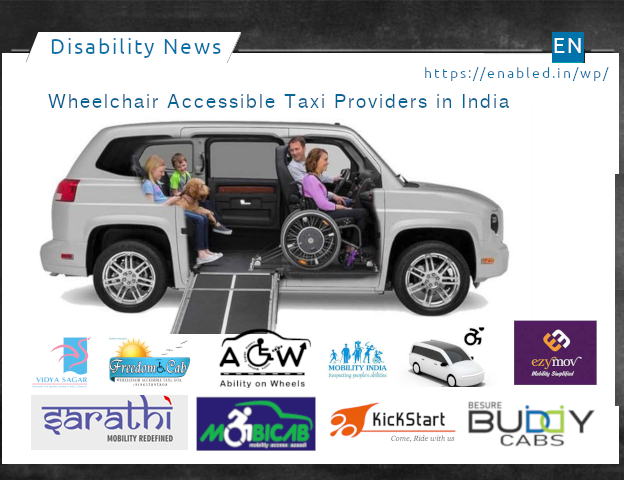
For taxis, confirm the vehicle type, ramp or lift, maximum wheelchair dimensions, securement system, luggage space, price and cancellation policy. A large vehicle is not necessarily wheelchair accessible.
7. Choose accessible accommodation
Arrival and room access
- Accessible parking and step-free entrance
- Easy-to-open doors and suitable thresholds
- Lift and corridor dimensions
- Room-door width and turning space
- Bed height and transfer space
- Reachable switches, sockets and storage
Bathroom access
- Bathroom-door width and turning space
- Toilet height and transfer space
- Grab-rail position
- Roll-in shower and shower-seat type
- Reachable shower controls
- Handheld shower and washbasin clearance
- Emergency call system
Communication and sensory access
- Visual and audible fire alarms
- Doorbell notification and hearing loops
- Captioned television
- Large-print information and Braille room numbers
- Quiet-room availability
Request current photographs showing the room entrance, bed space, bathroom, shower, toilet, grab rails and lift. A general promotional photograph may not show the actual accessible room.
8. Research accessible attractions
Check step-free entry, accessible parking, lifts, surface conditions, walking distances, rest areas, toilets, audio-described tours, captioned videos, sign-language tours, tactile exhibits, sensory guides, quiet spaces and assistance-animal access.
Historic and natural attractions may include steps, slopes, gravel, sand, grass or narrow paths. Ask about alternative routes, inaccessible areas, distances between facilities and virtual alternatives.
9. Plan accessible food and dining
Check for a step-free entrance, suitable seating, wheelchair circulation, accessible toilets, accessible digital menus, allergen information, quiet seating and assistance-animal access. An online menu should be available as accessible text rather than only as an image or scanned PDF.
10. Prepare medication and medical equipment
- Carry medication in its original packaging.
- Bring copies of prescriptions.
- Keep essential medication in hand luggage where permitted.
- Check storage-temperature requirements.
- Carry chargers, plug adapters and spare parts.
- Identify nearby healthcare facilities.
- Verify destination rules for medication and medical devices.
11. Prepare mobility equipment
Create an information sheet containing the traveller’s name, emergency contact, equipment make and model, dimensions, weight, battery type, safe lifting points, folding instructions, freewheel instructions, charging requirements and repair contact.
Depending on your needs, consider a transfer board, portable ramp, shower chair, cushion, repair kit, tyre pump, spare tube, charger, extension cable, plug adapter or hearing-aid batteries. Check transport restrictions before carrying tools, batteries or large equipment.
12. Plan communication support
Save booking confirmations, assistance requests, transport details, medical information, equipment instructions, emergency contacts and insurance information on your telephone, in email, in secure cloud storage and offline where useful. Prepare translated sentences explaining important access requirements when travelling to a place with a different language.
13. Prepare for emergencies
Identify the local emergency number, nearest accessible hospital, embassy or consulate, insurance emergency line, hotel procedure, equipment repair service and backup transport.
At the accommodation, ask whether alarms are audible and visual, what happens if the lift cannot be used, whether an evacuation chair is available and how disabled guests will receive emergency instructions.
14. Understand travel insurance
Standard insurance may not automatically cover mobility-equipment damage, powered-wheelchair batteries, medical devices, pre-existing conditions, replacement equipment or accessible return transportation.
Check coverage limits, exclusions, claim deadlines, repair conditions and documentation requirements. Keep photographs, serial numbers, purchase records and repair estimates for valuable equipment.
15. Confirm everything before departure
Shortly before travelling, reconfirm assistance, mobility-equipment information, accessible transport, the hotel room, bathroom configuration, attraction bookings, assistance-animal arrangements and medical-equipment approval. Ask for important confirmations in writing.
16. Keep evidence when something goes wrong
- Explain the problem clearly and request immediate assistance.
- Record the date, time and location.
- Note the names or roles of staff involved.
- Take photographs where appropriate.
- Save booking and assistance confirmations.
- Keep receipts for additional expenses.
- Submit a written complaint.
- Contact the relevant authority when required.
Accessible tourism checklist
Destination
- Current accessibility information checked
- Local accessible transport confirmed
- Accessible toilets and healthcare identified
- Terrain and route conditions understood
Transportation
- Assistance requested and confirmed
- Boarding method checked
- Mobility-equipment and battery policy reviewed
- Connection assistance and backup transport arranged
Accommodation
- Step-free entrance confirmed
- Door, lift and bed measurements checked
- Bathroom features verified
- Alarms and evacuation support discussed
- Current photographs reviewed
Documents and equipment
- Medication and prescriptions packed
- Equipment instructions attached
- Equipment photographed
- Chargers and adapters packed
- Insurance checked
- Emergency contacts saved offline
Frequently asked questions
What does accessible tourism mean?
Accessible tourism means making travel information, booking, transportation, accommodation, attractions and visitor experiences usable by people with different disabilities and access requirements.
How can I find an accessible hotel?
Look for measurements, current photographs and specific information about entrances, lifts, rooms, bathrooms, alarms and emergency procedures. Confirm essential features directly before booking.
How early should airport assistance be requested?
The required notice period varies by airline, airport and country. Request assistance as early as possible and verify the official deadline before travelling.
How can I protect my wheelchair during air travel?
Photograph it, label removable parts, attach handling instructions, record its dimensions and battery type, and report any damage immediately.
Is a hotel accessible if it has a ramp?
A ramp alone does not make the complete hotel accessible. The entrance, reception, lifts, room, bathroom, dining areas, emergency procedures and booking process must also be considered.
Why is digital accessibility part of accessible tourism?
Research, assistance requests, bookings, payments, confirmations and cancellations are commonly completed online. An inaccessible website or application can prevent a traveller from planning independently.