Travel should be an opportunity to explore, rest, learn and connect.
Yet a single barrier – an inaccessible booking form, missing transport
information, a step at a hotel entrance or an alarm that cannot be seen
or heard – can interrupt an entire journey.
Accessible tourism removes these barriers across the complete visitor
journey. It helps people travel independently, safely and with dignity.
It benefits persons with disabilities, older travellers, families with
young children, people with temporary injuries and many others.
The need is significant. The World Health Organization estimates that
1.3 billion people, or about 16% of the global population,
experience significant disability. Accessible tourism is
therefore not a small or specialist service. It is an essential part of
responsible, sustainable and customer-focused tourism.
What is accessible tourism?
Accessible tourism is tourism designed so that people with different
mobility, vision, hearing, communication and cognitive access
requirements can use tourism products, services and environments with
independence, equity and dignity.
It is not limited to adding a ramp or providing one accessible hotel
room. It connects every part of the travel experience:
- Researching a destination
- Booking travel and accommodation
- Reaching terminals and using transport
- Entering and moving around buildings
- Understanding signs, menus and announcements
- Enjoying cultural, natural and recreational attractions
- Receiving respectful assistance when required
- Responding safely during an emergency
Accessibility must work as a continuous chain. If one link fails, the
entire journey may become difficult or impossible.
1. Provide reliable information and accessible booking

An inclusive journey begins before a traveller leaves home. People
need accurate information to decide whether a destination, hotel,
transport service or attraction will meet their requirements.
Tourism websites and mobile apps should be compatible with keyboards,
screen readers, magnification and voice input. Forms need clear labels,
helpful error messages and enough time to complete each step. Videos
should provide captions, and essential visual information should be
available through text or audio description.
Avoid broad statements such as “fully accessible” without details.
Instead, provide measurable and practical information, including:
- Step-free entrances and route widths
- Lift dimensions and controls
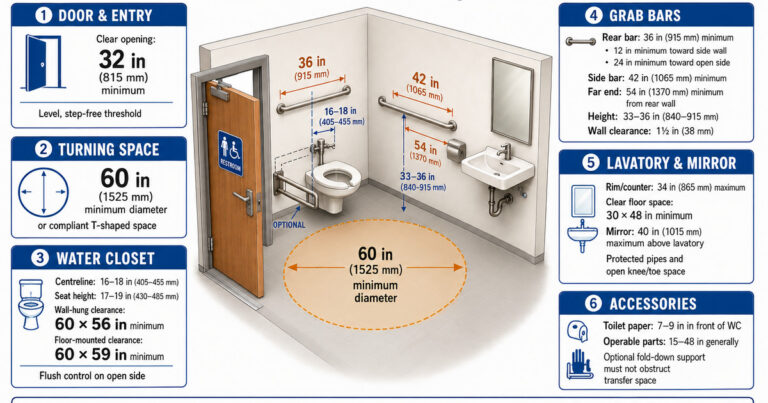
- Accessible toilet facilities
- Bed height and space beside the bed
- Shower type and grab-rail placement
- Availability of hearing loops, captions or sign-language
support - Lighting, noise and quiet-space information
- Assistance-animal policies
- Accessible transport connections
- A direct contact method for additional questions
Use current photographs of rooms, entrances, bathrooms and routes.
Clear information allows travellers to make informed decisions and
reduces uncertainty for both visitors and staff.
2. Make transport and
arrival seamless
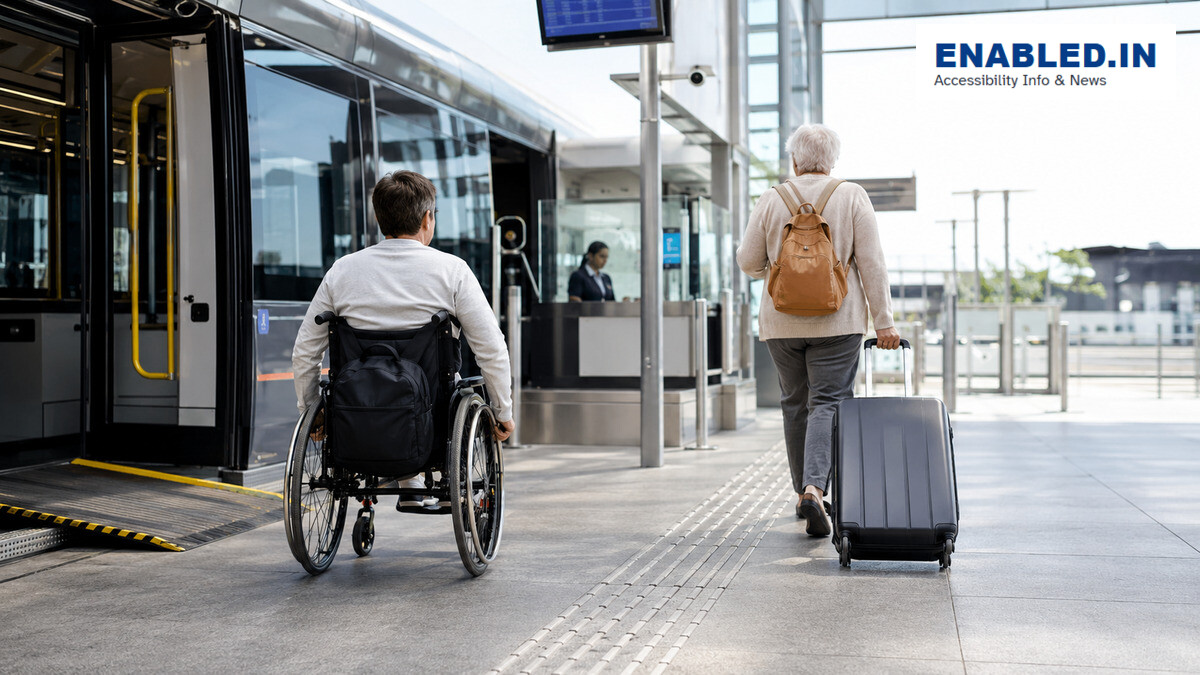
Transport connects every stage of tourism. Buses, trains, taxis,
ferries, aircraft, stations and terminals should enable safe and
equitable travel.
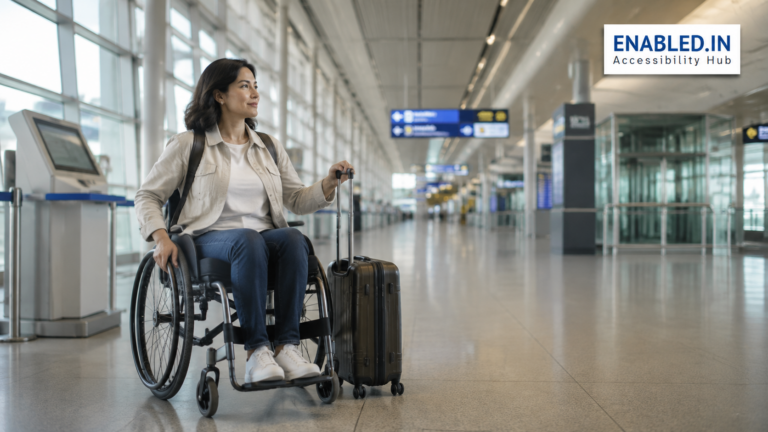
An accessible transport experience includes step-free boarding
wherever possible, safe transfer procedures, space for mobility devices
and careful handling of wheelchairs and other equipment. Information
about departures, delays, platform changes and emergencies should be
available in both visual and audible formats.
Arrival areas should include:
- Clearly identified accessible parking and drop-off points
- Unobstructed routes from parking or transport stops
- Kerb ramps and safe pedestrian crossings
- High-contrast, easy-to-understand signs
- Seating at suitable intervals
- Accessible ticket, information and check-in counters
- Staff assistance that can be requested without difficulty
Digital accessibility is equally important. A traveller should be
able to buy a ticket, select assistance, receive updates and retrieve a
boarding pass without depending on another person.
3. Design accommodation, restaurants and venues for independence
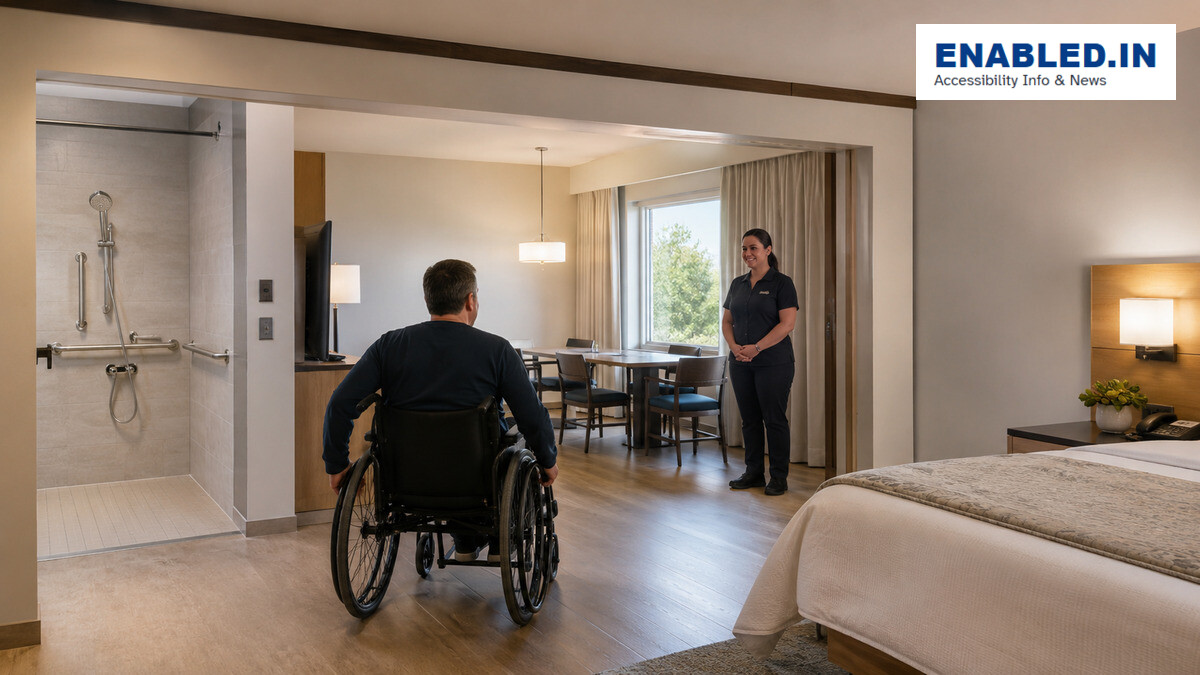
Hotels and other accommodation should offer more than entry to the
building. Guests need to move around, use facilities, communicate with
staff and respond to emergencies independently.
Accessible guest rooms should have adequate turning and transfer
space, reachable controls, usable storage and an accessible bathroom.
Reception-to-room communication and alarms should work for guests who
are Deaf or hard of hearing. Assistance animals should be welcomed in
line with applicable requirements.
Restaurants, cafés and conference venues should consider different
access needs through:
- Step-free entrances and accessible tables
- Clear circulation space between furniture
- Service counters at usable heights
- Accessible toilets on the same route
- Menus in large print, accessible digital formats or Braille where
useful - Clear allergen and dietary information
- Hearing loops, captions and sign-language support for events
- Wheelchair seating integrated with other seating
Accessible features should be maintained and kept available. An
accessible route blocked by furniture or an accessible toilet used for
storage is not accessible in practice.
4. Make attractions, culture and nature enjoyable for all
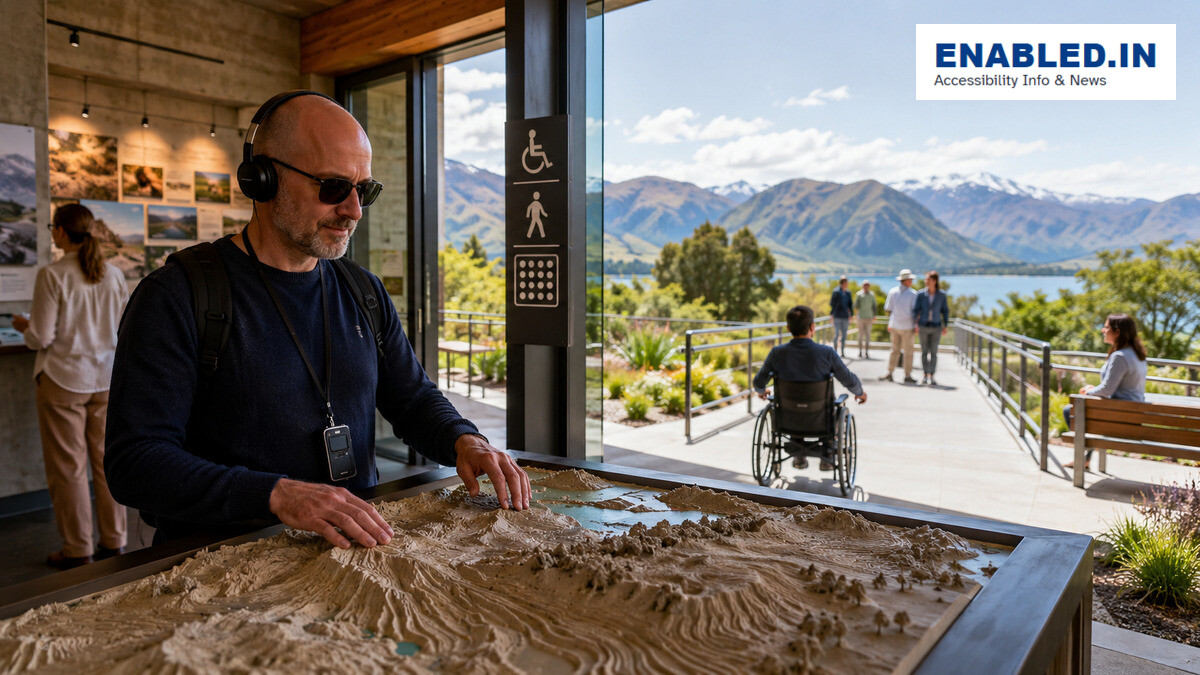
Museums, heritage sites, theatres, cinemas, sports venues, parks and
beaches should support participation, not simply admission.
Visitors may need step-free routes, resting places, tactile
information, large-print guides, audio description, captions, hearing
loops or sign-language interpretation. Exhibits and controls should be
placed within comfortable reach and should not depend on only one
sense.
Natural and outdoor destinations can improve access through firm,
stable paths, viewing areas, accessible toilets, shaded seating and
clear information about distance, gradient and surface conditions.
Beaches may provide accessible walkways, changing areas, amphibious
chairs and trained assistance.
Where complete physical access is not possible, provide an equitable
alternative experience. Virtual interpretation, tactile models,
accessible viewing points and multimedia guides can help, but they
should complement continued efforts to remove physical barriers.
5. Communicate in more than
one way
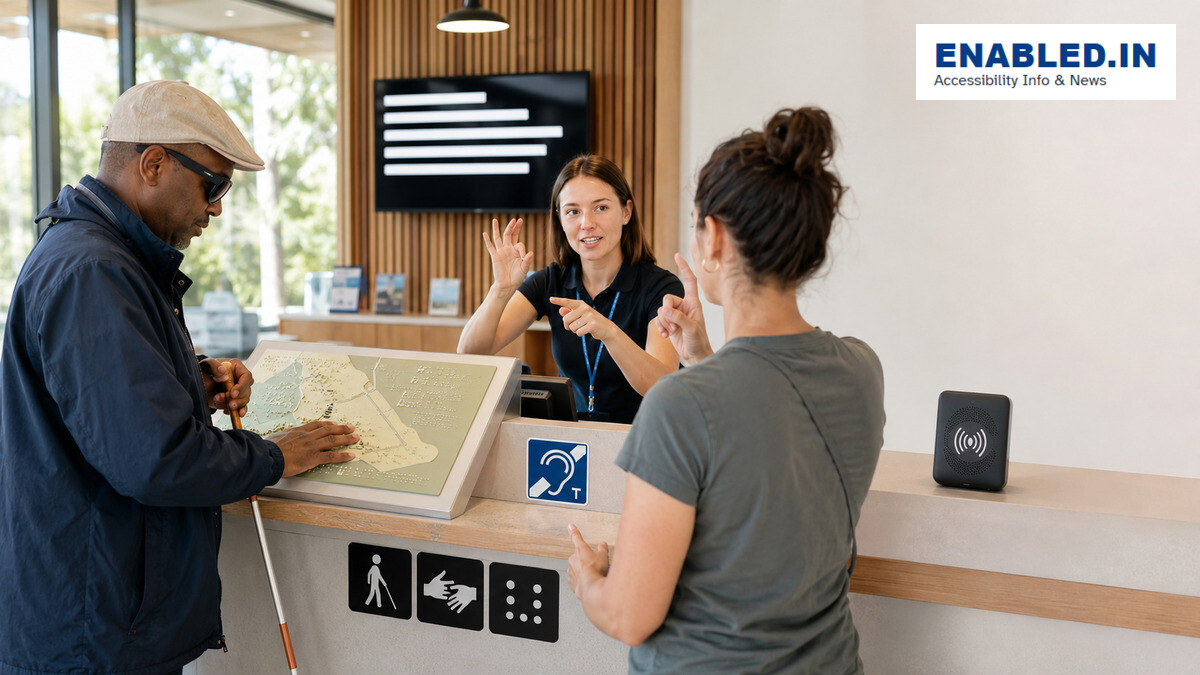
Good communication reduces uncertainty and supports independent
decisions. Important information should never be available through
sound, colour or visual presentation alone.
Tourism providers should use a combination of:
- Plain language and clear layouts
- Large, high-contrast text
- Internationally understood symbols
- Braille and tactile information where appropriate
- Captions and transcripts
- Audio description
- Visual and audible announcements
- Accessible websites, apps and digital documents
- Augmentative and alternative communication when requested
Emergency warnings are especially important. Alarms should provide
both audible and visual signals, and evacuation information should be
understandable in multiple formats.
6. Train staff to offer respectful and effective support
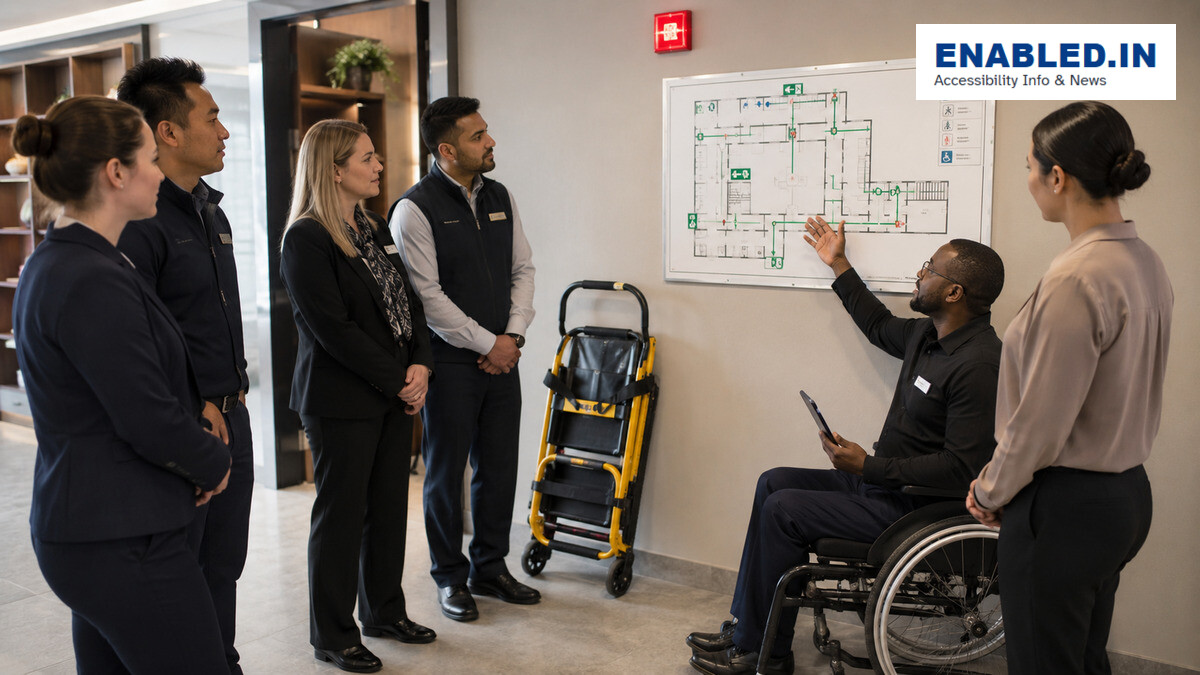
Even well-designed facilities can fail when staff do not understand
accessibility. Disability awareness and practical service training
should be part of induction and regular refresher programmes.
Staff should learn to:
- Speak directly to the traveller, not only to a companion
- Ask before providing assistance
- Respect mobility devices, assistance animals and personal space
- Explain available facilities accurately
- Communicate patiently and clearly
- Use accessible communication tools
- Protect the traveller’s dignity, privacy and independence
- Support evacuation procedures for people with different access
requirements
Whenever possible, include persons with disabilities in planning,
training and evaluation. Their lived experience can reveal barriers that
checklists alone may miss.
Universal
design creates better tourism experiences
Universal design aims to make products, environments and services
usable by as many people as possible without requiring separate or
specialised solutions.
Its seven widely recognised principles encourage:
- Equitable use
- Flexibility in use
- Simple and intuitive use
- Perceptible information
- Tolerance for error
- Low physical effort
- Adequate size and space for approach and use
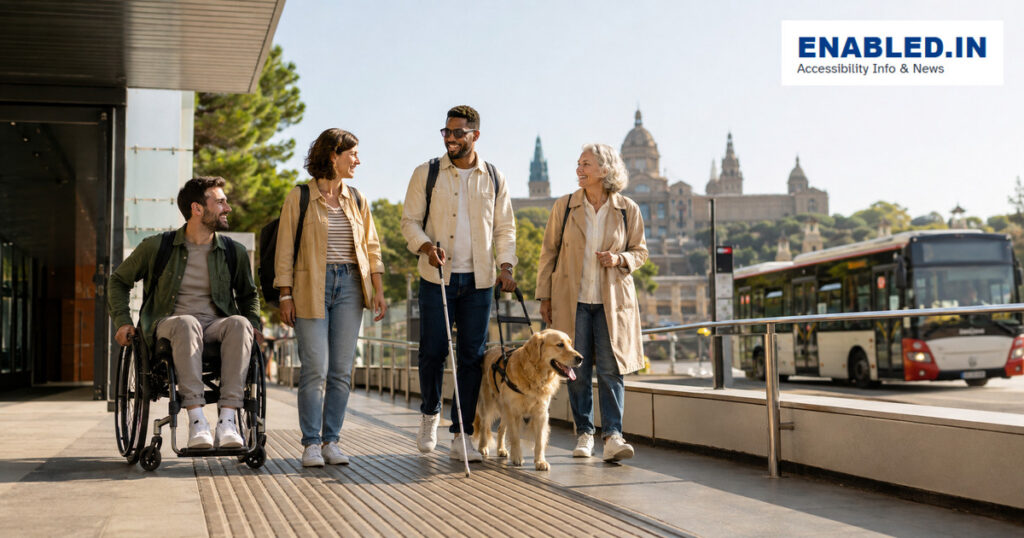
These principles improve tourism for everyone. Step-free routes help
wheelchair users, travellers with luggage and parents with pushchairs.
Captions help Deaf people, visitors in noisy areas and people reading in
another language. Clear signs and plain language help first-time
visitors and people with cognitive disabilities.
An accessible-tourism
checklist
Use this short checklist when reviewing a destination or tourism
service:
- Can travellers find detailed accessibility information before
booking? - Are the website, app, forms and documents digitally accessible?
- Can a traveller request and confirm assistance independently?
- Is there an uninterrupted accessible route across the journey?
- Are transport information and announcements both visual and
audible? - Are entrances, rooms, toilets, restaurants and attractions
usable? - Is information offered in multiple accessible formats?
- Are accessible features maintained and kept unobstructed?
- Are staff trained in respectful disability-inclusive service?
- Do emergency procedures include people with different access
requirements? - Are persons with disabilities involved in testing and
improvement?
Frequently asked questions
Who benefits from
accessible tourism?
Accessible tourism benefits persons with physical, sensory,
intellectual and psychosocial disabilities. It also supports older
people, families with young children, travellers carrying luggage,
people with temporary injuries and anyone who benefits from clearer
information and easier environments.
Is
accessible tourism only about wheelchair access?
No. Wheelchair access is important, but accessible tourism also
covers vision, hearing, communication, cognitive and sensory
requirements. It includes digital services, transport, information,
staff support and emergency procedures.
Why must the
whole tourism chain be accessible?
A traveller uses several connected services. An accessible hotel
cannot compensate for an unusable booking system or inaccessible
transport. Every link must work for the journey to be genuinely
inclusive.
How should a
business describe its accessibility?
Provide specific, factual and current information. Include
measurements, available features, service limitations, photographs and a
contact method. Avoid unsupported claims such as “100% accessible.”
What is the
role of universal design in tourism?
Universal design helps make tourism environments, services and
information usable by the widest possible range of people. It reduces
the need for separate arrangements and generally improves convenience,
safety and comfort for everyone.
Moving from
access promises to accessible journeys
Accessible tourism is a human-rights responsibility and a practical
opportunity to provide better visitor experiences. The United Nations
Convention on the Rights of Persons with Disabilities recognises equal
participation in cultural life, recreation, leisure and sport. UN
Tourism also encourages public and private tourism stakeholders to
integrate accessibility into policies, strategies and services.
Real progress happens when accessibility is planned across the entire
journey, communicated honestly, tested with persons with disabilities
and improved continuously. The goal is simple: every traveller should be
able to plan, travel, stay and participate with choice, safety,
independence and dignity.
Sources and further reading
- UN Tourism: Accessible
Tourism - UNWTO
Recommendations on Accessible Tourism for All - World
Health Organization: Disability and health - United
Nations CRPD Article 30: Participation in cultural life, recreation,
leisure and sport
Discover more from enabled.in
Subscribe to get the latest posts sent to your email.